




Application Scenarios for Photovoltaic Lighting Systems
Solar street lights have become an essential part of modern infrastructure due to their wide range of applications and environmental benefits. As countries and cities strive to reduce carbon emissions and energy costs, solar-powered lighting systems are increasingly adopted in both urban and rural settings. Their independence from the electrical grid, ease of installation, and low maintenance requirements make them suitable for a variety of scenarios.
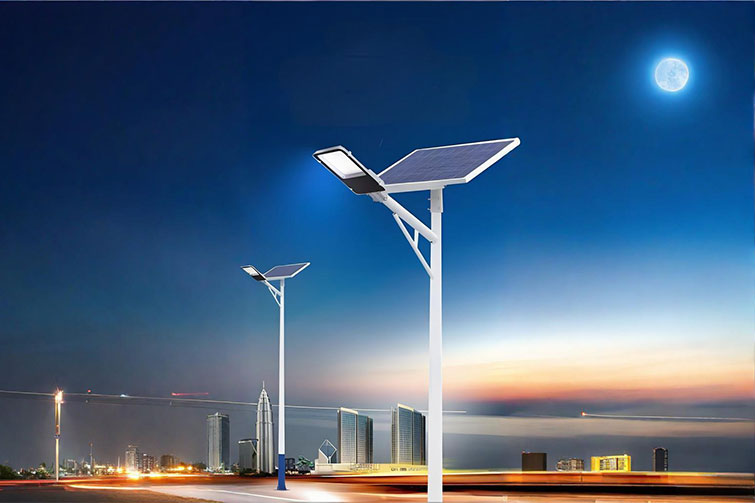
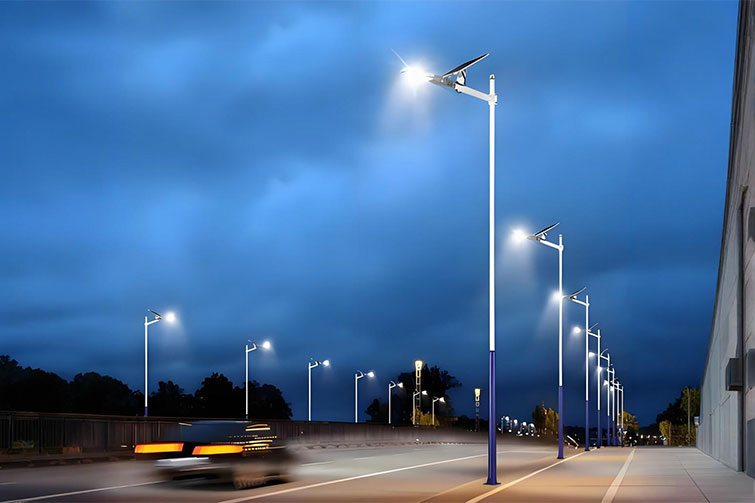
One of the most common applications of solar street lights is in urban roads and highways. Cities use them to illuminate streets, intersections, and pedestrian crossings, ensuring safety for drivers and pedestrians at night. Unlike traditional lighting systems, solar street lights do not require extensive cabling or trenching work, which significantly reduces installation time and cost. This makes them especially useful in newly developed areas where electrical infrastructure is not yet fully established.
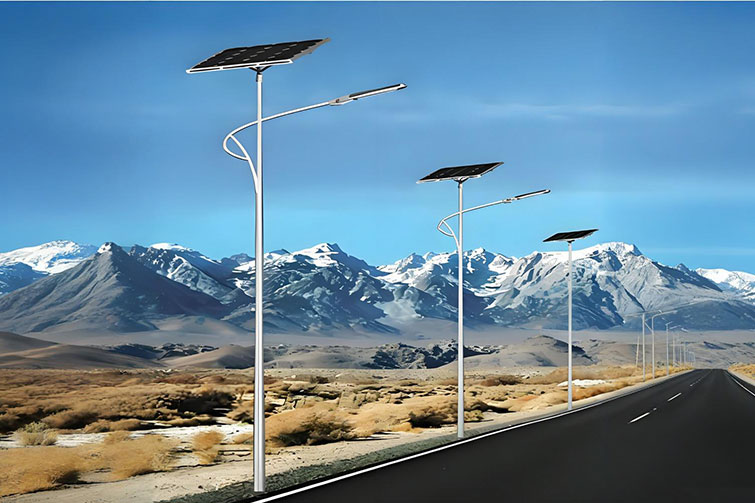
In rural and remote areas, solar street lights play a crucial role in improving living conditions. Many villages around the world still lack reliable access to electricity. Solar lighting provides a practical solution by offering consistent illumination without relying on unstable power grids. This enhances nighttime visibility, reduces accidents, and improves security. It also allows residents to engage in social and economic activities after sunset, contributing to local development.
Solar street lights are also widely used in parks, gardens, and recreational areas. These environments benefit from clean and quiet energy sources that do not disrupt the natural surroundings. Solar lighting helps extend the usability of public spaces into the evening, allowing people to walk, exercise, and relax safely. Additionally, the aesthetic design of modern solar lamps can enhance the visual appeal of landscapes.
Another important application is in parking lots and commercial areas. Businesses and property managers install solar street lights to provide reliable lighting for customers and employees. Well-lit parking areas reduce the risk of theft and accidents, improving overall safety. Since solar lights operate independently, they continue to function even during power outages, ensuring uninterrupted service.
Industrial zones and construction sites also benefit from solar street lighting. These areas often require temporary or flexible lighting solutions, especially during nighttime operations. Solar lights can be installed quickly and relocated as needed without the hassle of rewiring. This flexibility makes them ideal for projects with changing layouts or short timelines.
In addition, solar street lights are increasingly used in disaster-prone and emergency situations. After natural disasters such as earthquakes, floods, or hurricanes, conventional power infrastructure is often damaged or destroyed. Solar lighting systems can be deployed rapidly to provide immediate illumination in affected areas, supporting rescue operations and improving safety for displaced populations.
Transportation hubs such as airports, railway stations, and bus terminals also utilize solar street lights. These locations require reliable and continuous lighting to ensure smooth operations and passenger safety. Solar solutions help reduce operational costs while supporting sustainability goals. Similarly, they are used along cycling paths, walkways, and bridges to enhance visibility and encourage safer travel.
Educational institutions and campuses represent another key area of application. Schools and universities install solar street lights to illuminate pathways, playgrounds, and parking areas. This not only improves safety for students and staff but also demonstrates a commitment to environmental responsibility, serving as a practical example of renewable energy use.
Furthermore, smart solar street lights are gaining popularity in modern cities. These systems integrate technologies such as motion sensors, remote monitoring, and automatic dimming. They can adjust brightness based on real-time conditions, reducing energy consumption while maintaining adequate lighting. Some systems are even connected to central management platforms, enabling efficient control and maintenance.
In conclusion, the applications of solar street lights are diverse and continuously expanding. From urban streets and rural villages to commercial zones and emergency scenarios, they provide a reliable, cost-effective, and environmentally friendly lighting solution. As technology advances and awareness of sustainability grows, solar street lights are expected to play an even more significant role in shaping the future of global infrastructure.